Inner Mongolia · Agro-Pastoral Ecotone
Why we went
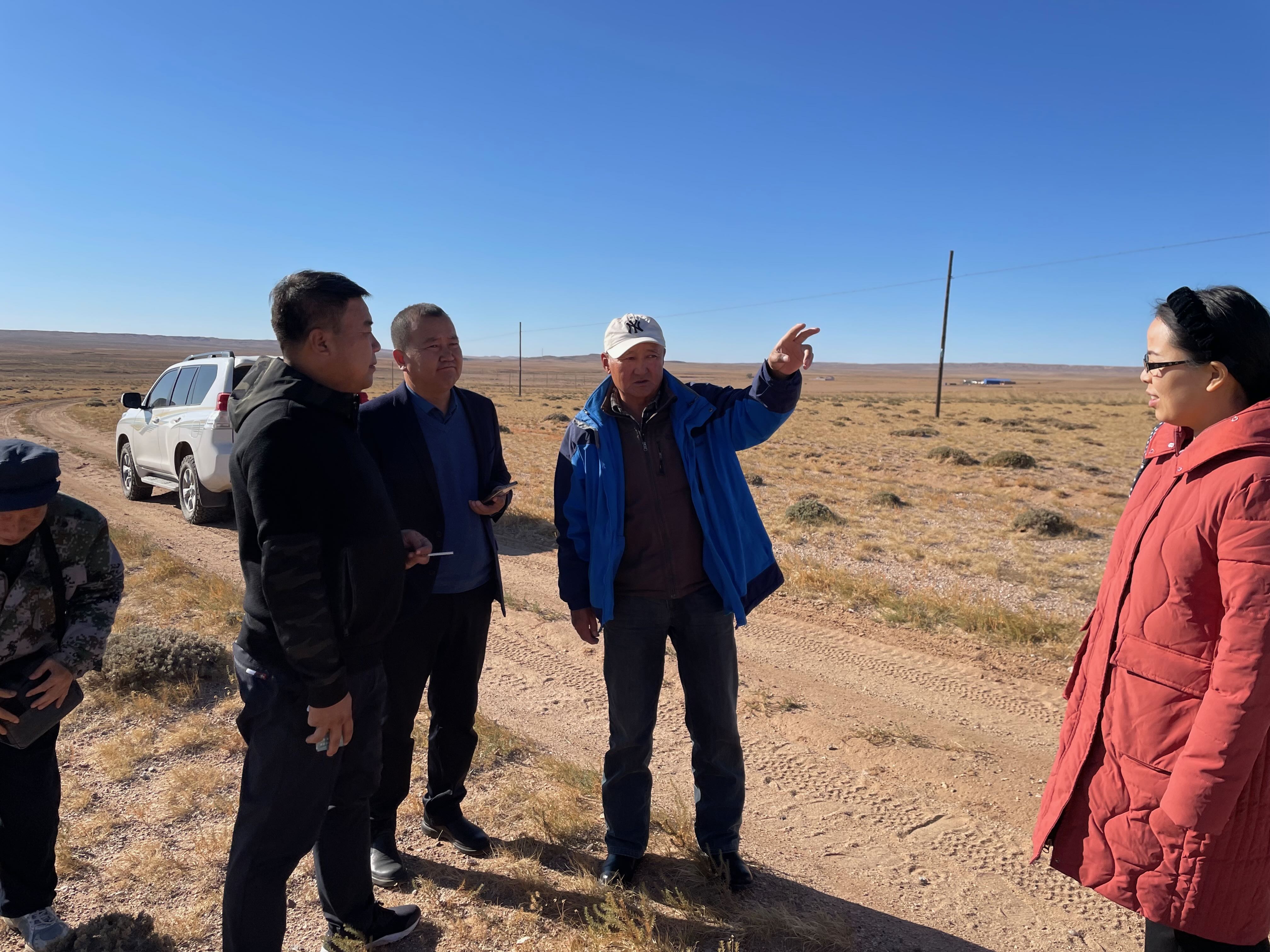
The agro-pastoral ecotone of Inner Mongolia sits at the climatic and cultural seam between cropland and steppe. Statistical aggregates and remote-sensing pixels can show how that boundary is moving — but they can’t tell you why a herder switches to fenced pasture, why a village abandons mobile grazing, or how a single drought year reshuffles a household’s options for the next decade. We came to listen to the system on the ground.
What we did
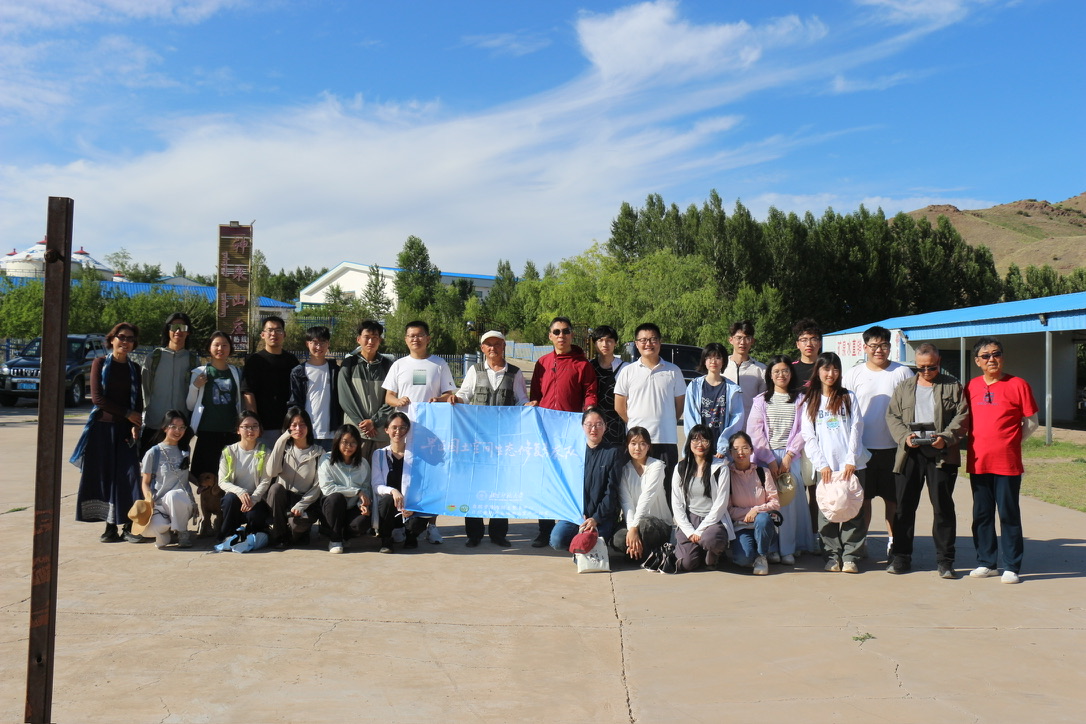
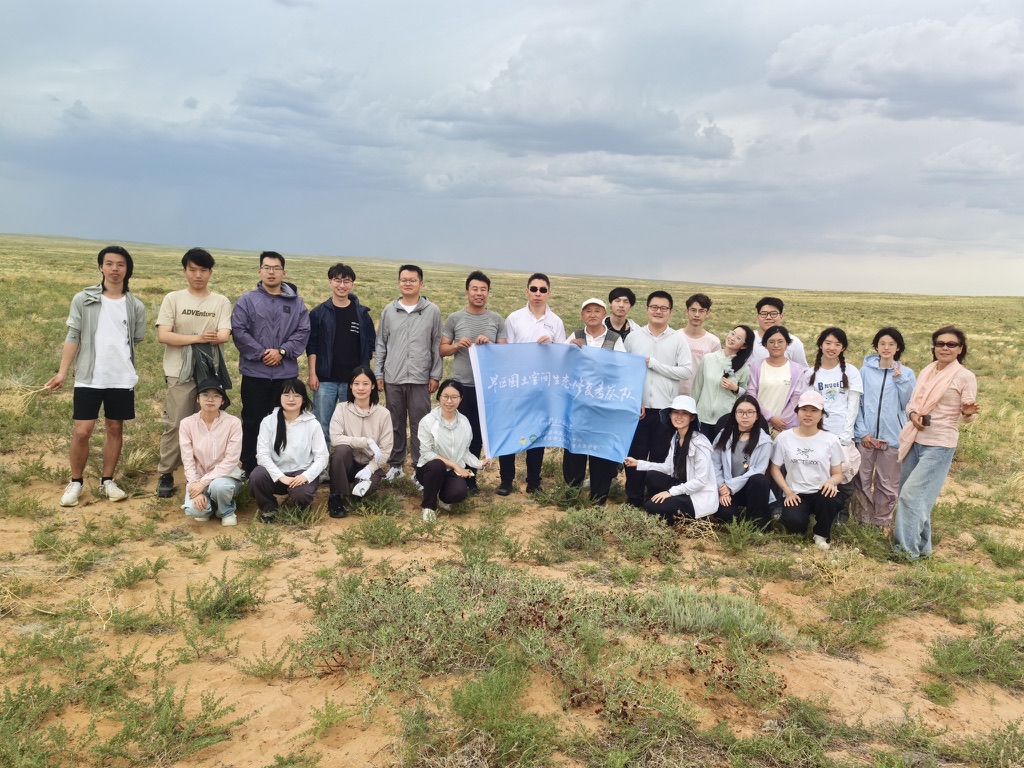
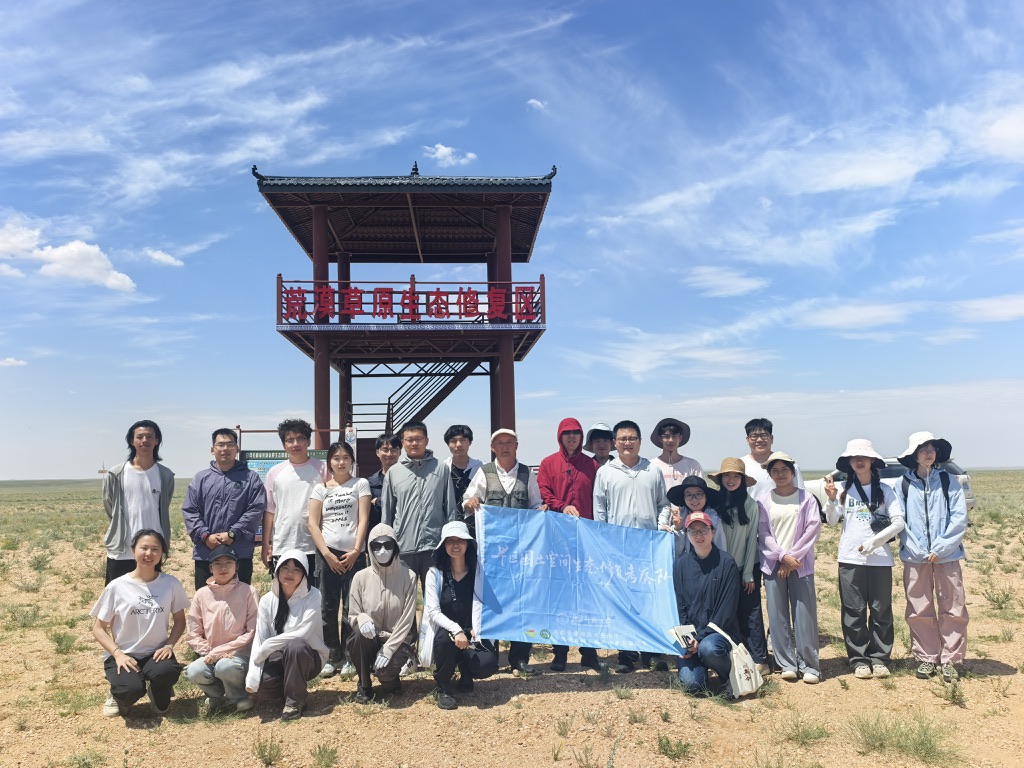
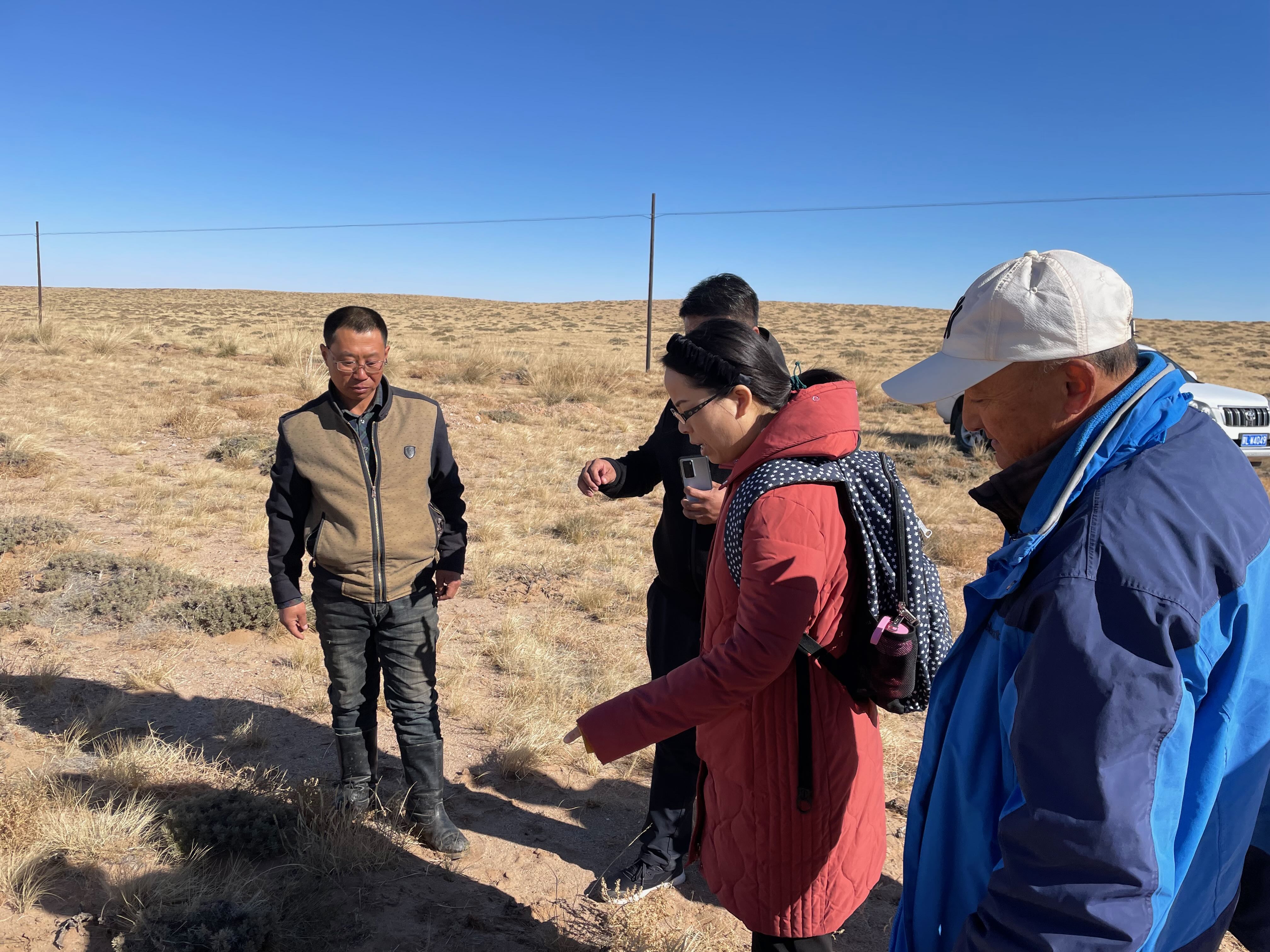
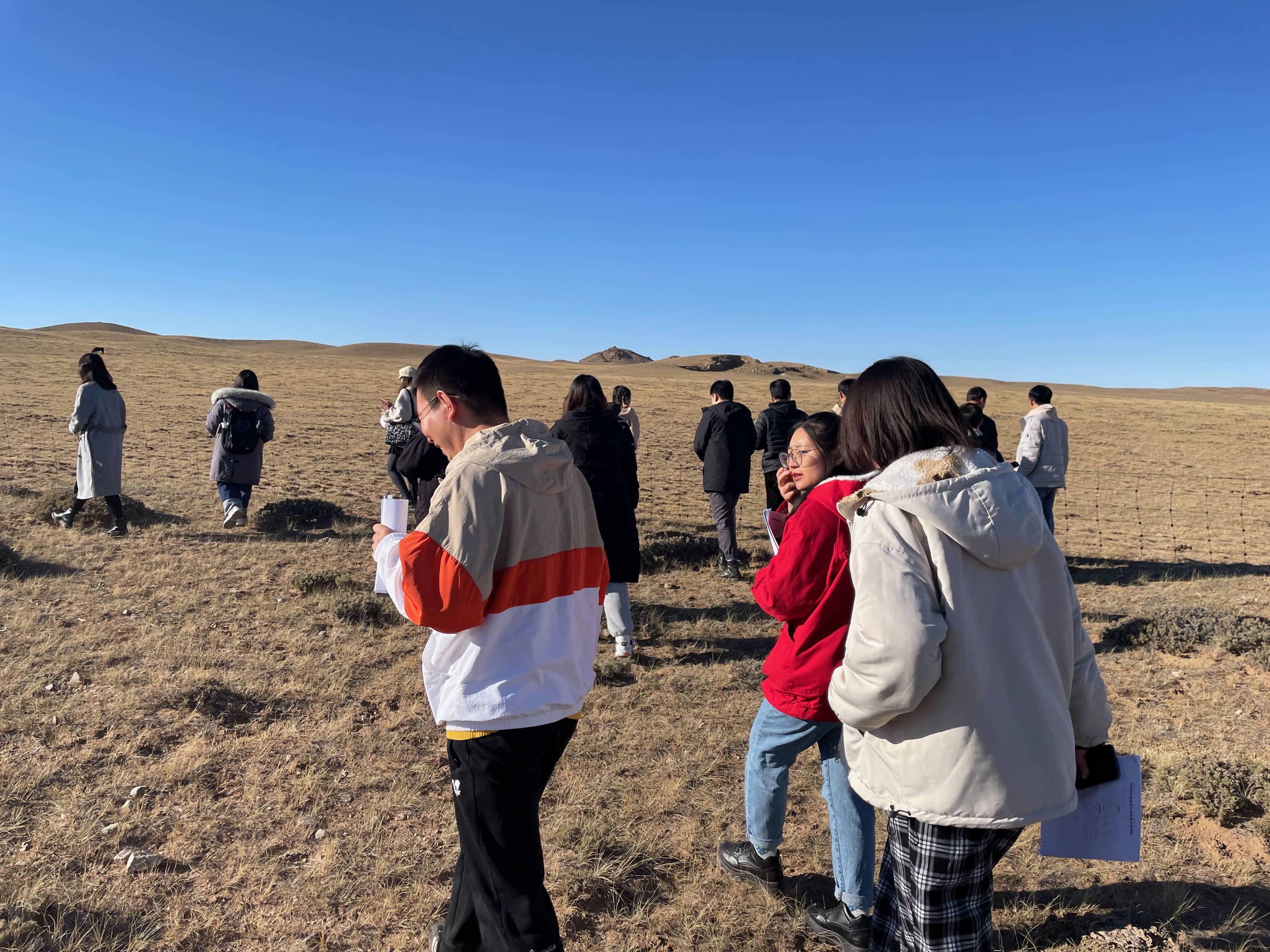
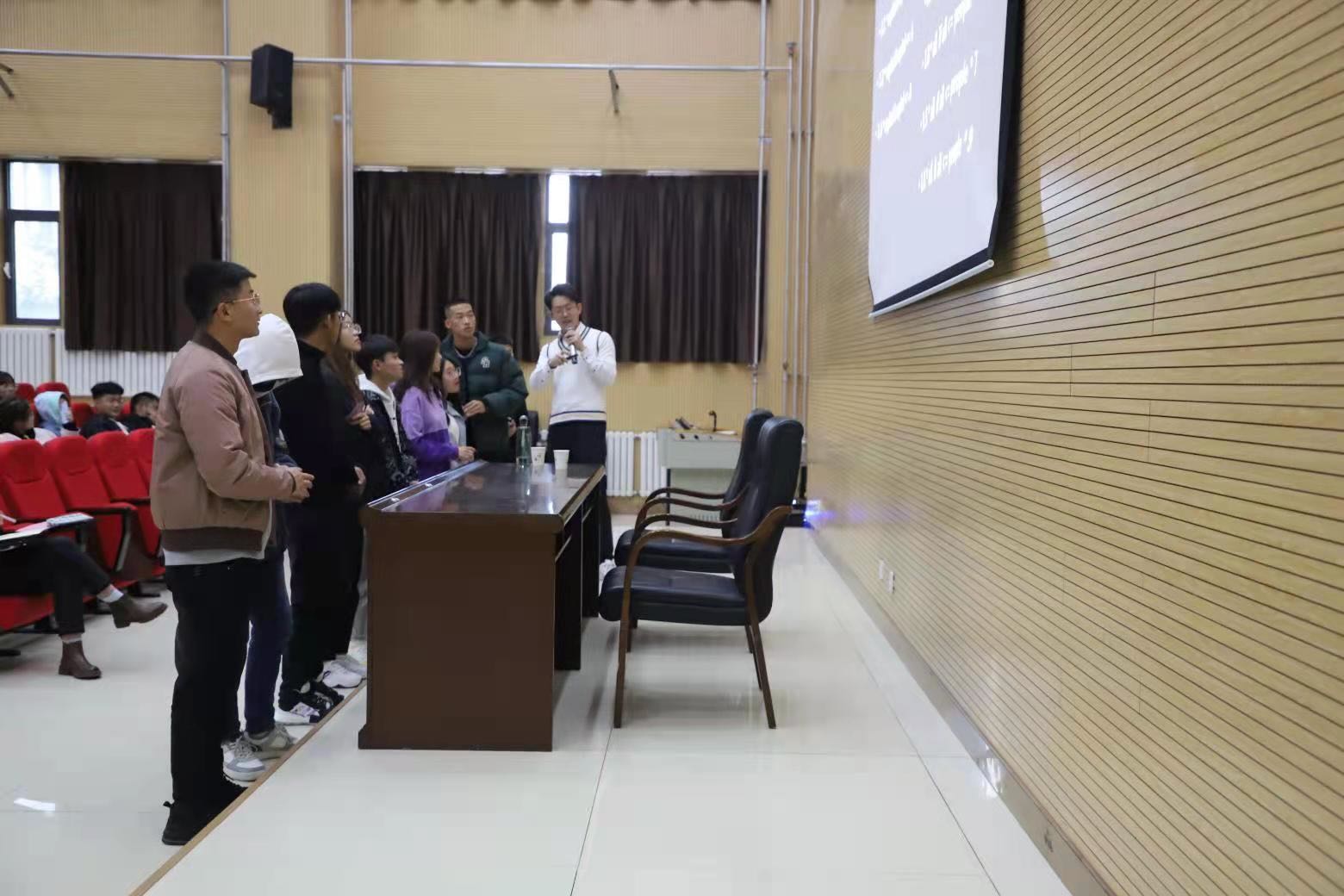
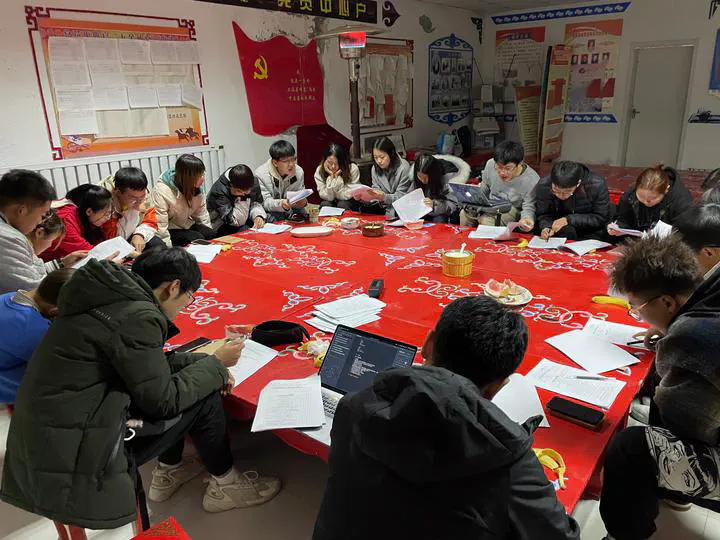
Since the summer of 2020 we have returned to the ecotone every year — sampling soils and grasses along fixed transects, sitting through long evenings of interviews with herders and village cadres, walking the same pastures across seasons. The dataset is now half a decade of paired ecological measurements and household surveys, layered onto the policy shifts the residents have lived through: grazing bans, ecological compensation, livestock-price swings.
What stayed with me
The model on my screen has gotten sharper over five years, but most of what makes it useful came from these trips. A herder once told us that the grass remembers more than we do — and the longer we stay, the more I think the data has to be patient enough to remember too.
From the field