Tibetan Plateau · Second Scientific Expedition
Why we went
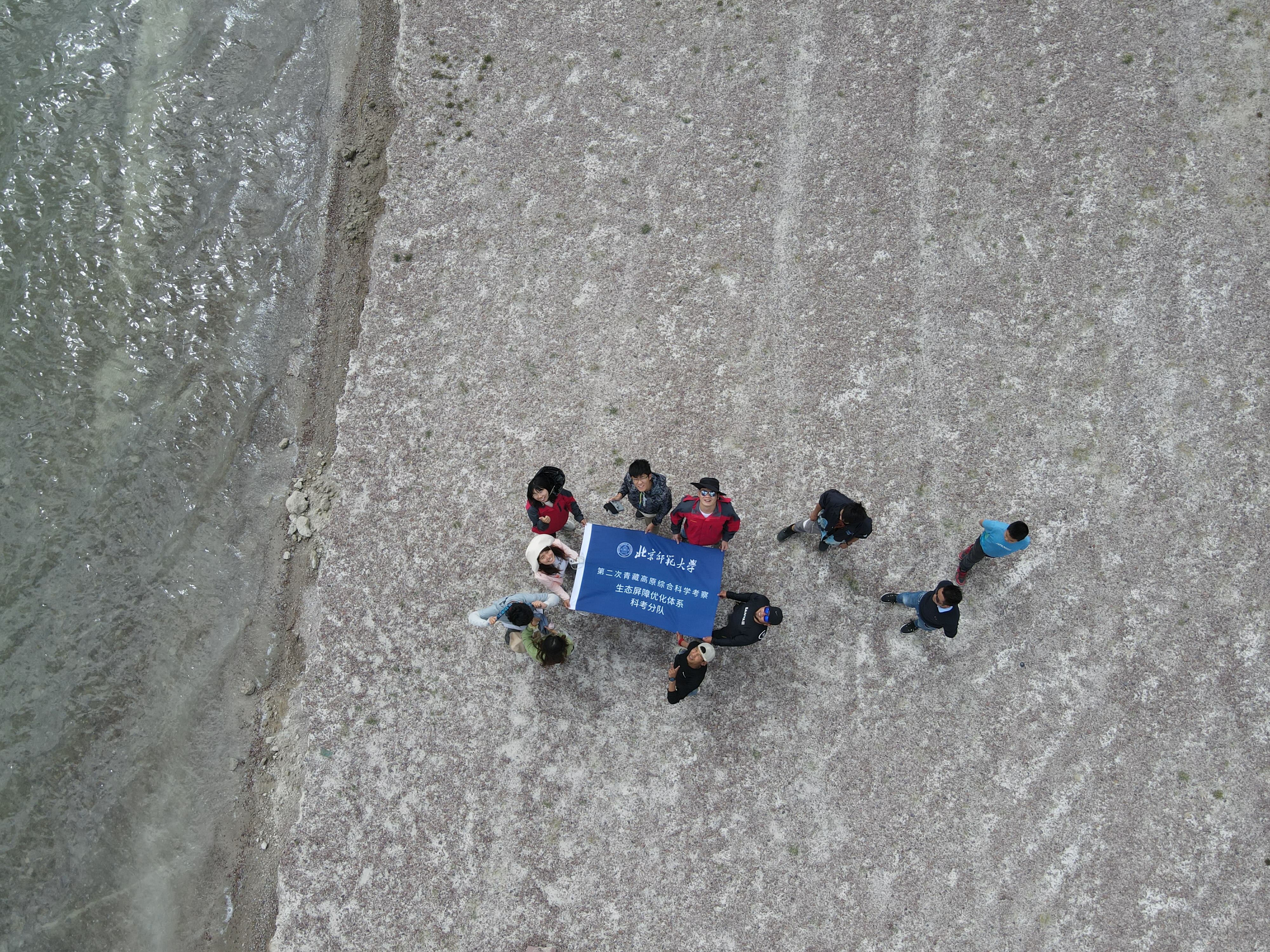
The Second Tibetan Plateau Scientific Expedition (STEP) is China’s flagship multi-decade earth-science program — the long-overdue successor to the original 1970s plateau survey. The plateau supplies water to nearly two billion people downstream, and the question every team carried was the same: how is this water tower changing, and what is changing alongside it? My piece sat with hydrology and the human side of the system.
What we did
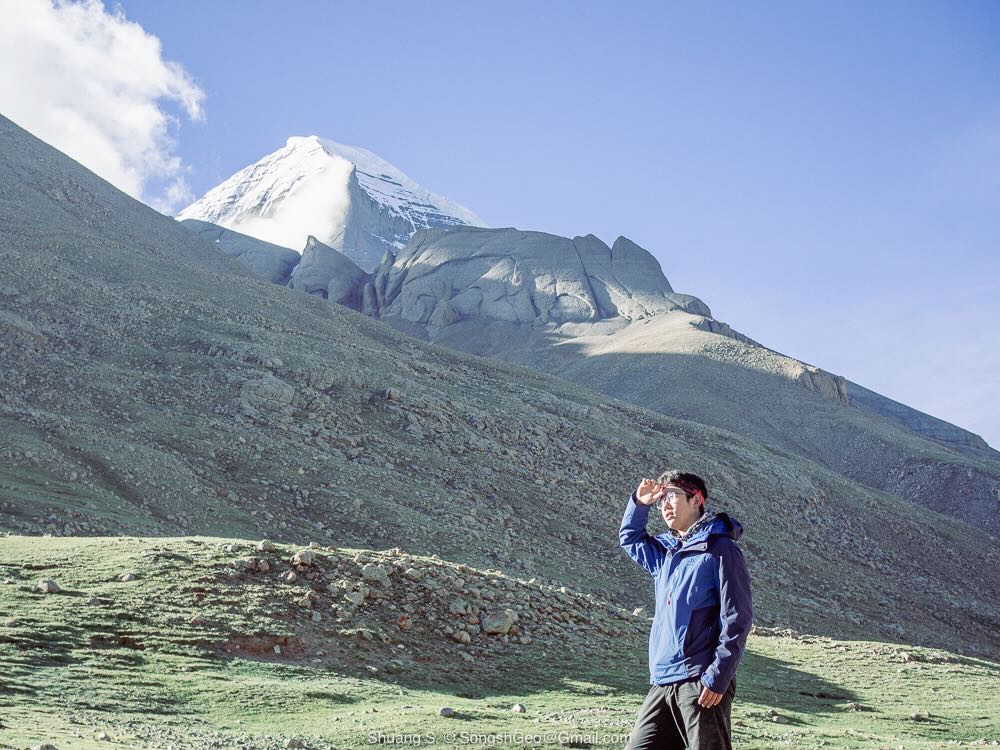
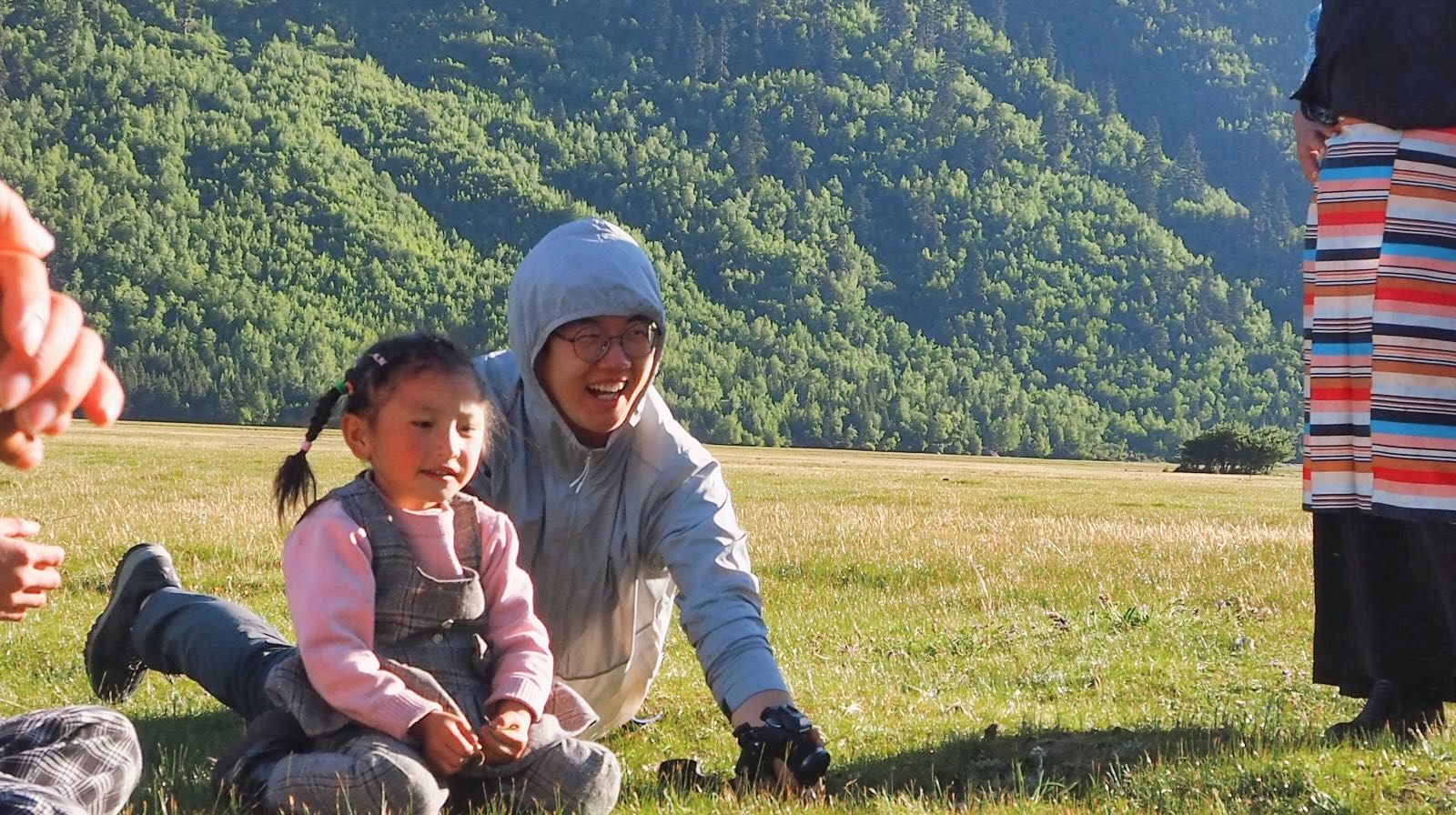
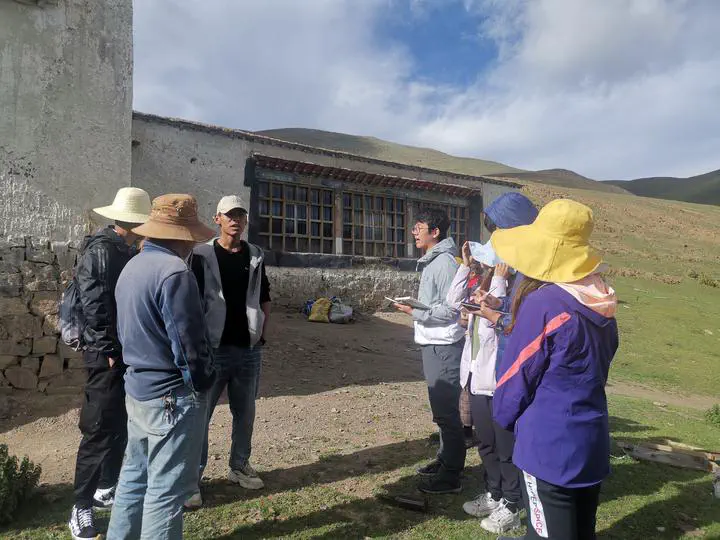
We worked at altitudes above 4,000 m — walking transects across alpine meadows, sampling source-region streams, and sitting with herders whose grazing calendars had quietly shifted with the snowline. The expedition’s rare luxury was that cryospheric, ecological and socio-economic teams entered the same valleys at the same time, so cross-team conversations were possible in a way they almost never are. I came home with notebooks of household stories and a colder respect for how thin the air is up there.
What stayed with me
What surprised me wasn’t the glaciers — those are everyone’s story. It was how readable the change was in the herders’ own words: which pastures had gone dry, which routes had become unsafe, which children had moved to town. Snow-cover and discharge data tell the same story — but slower. The plateau is changing faster than the academic timeline.
From the field